Finding the Clärchens Ballhaus is one of the most unbelievable experiences in Berlin. I never would have been able to if I didn’t join the walk in the city with Nina Fischer and Maroan el Sani. I learned a lot from that walk. But for now, its about finding the Clärchens Ballhaus at Augustraße 24.

You never would have expected it here. This looks like an ordinary suburb, but its not. This area is filled with galleries and food places. I’d rediscover this area when I go back to Berlin more than a month later. Its actually a couple of blocks away from the KW Contemporary. It didn’t click at the time. I was simply overwhelmed.
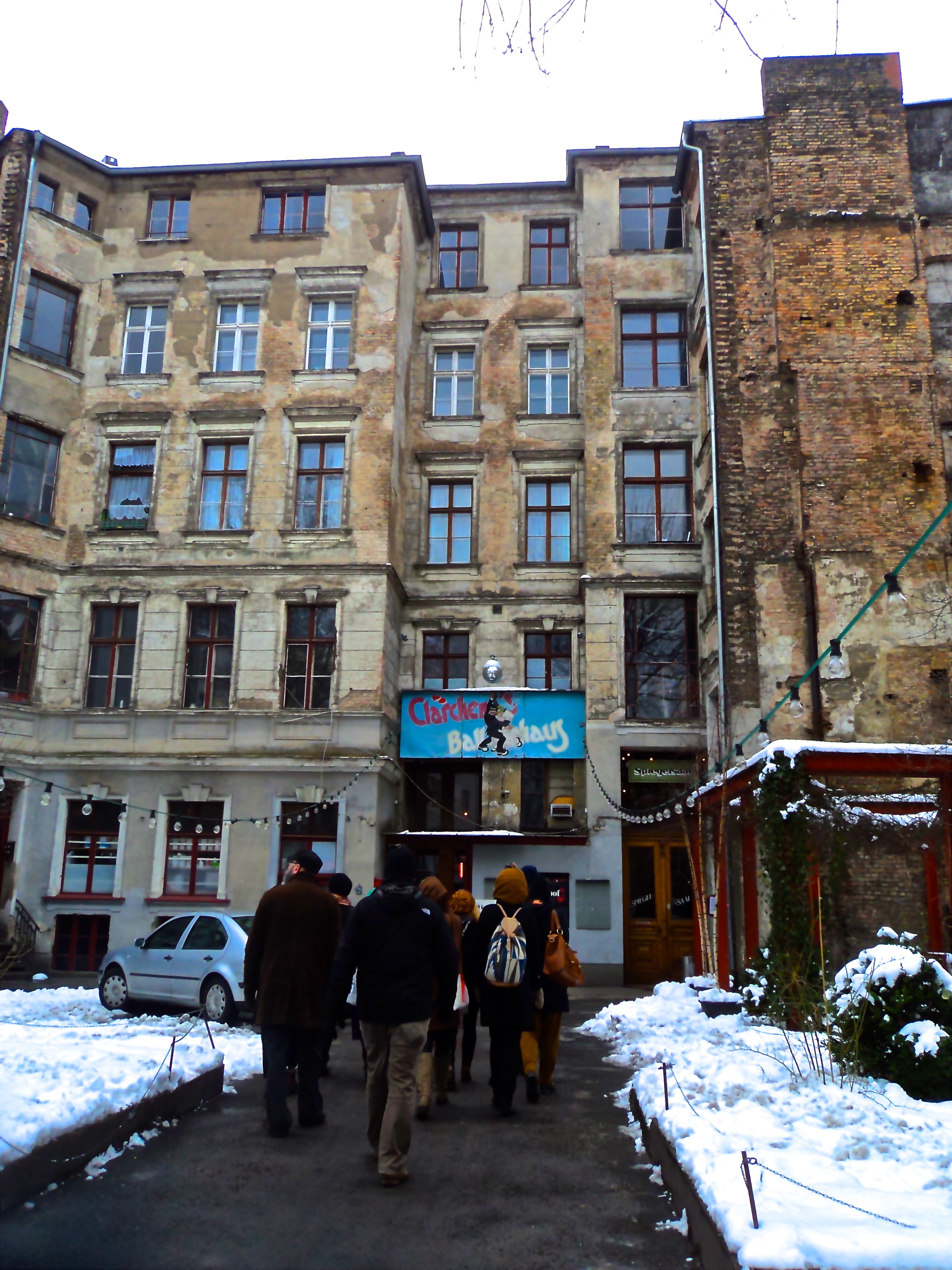
There’s my group right ahead. All through the city walk, I’ve been lagging behind. Its a combination of the slippery snow and the joy of photography that has been holding me back. But its worth it. We would all get to talk later anyway, out of the cold. I even discovered later that it was the coldest day of that week, if I remember correctly, a negative eight degrees. Imagine a girl from the tropics walking around all morning until afternoon in that? 😀

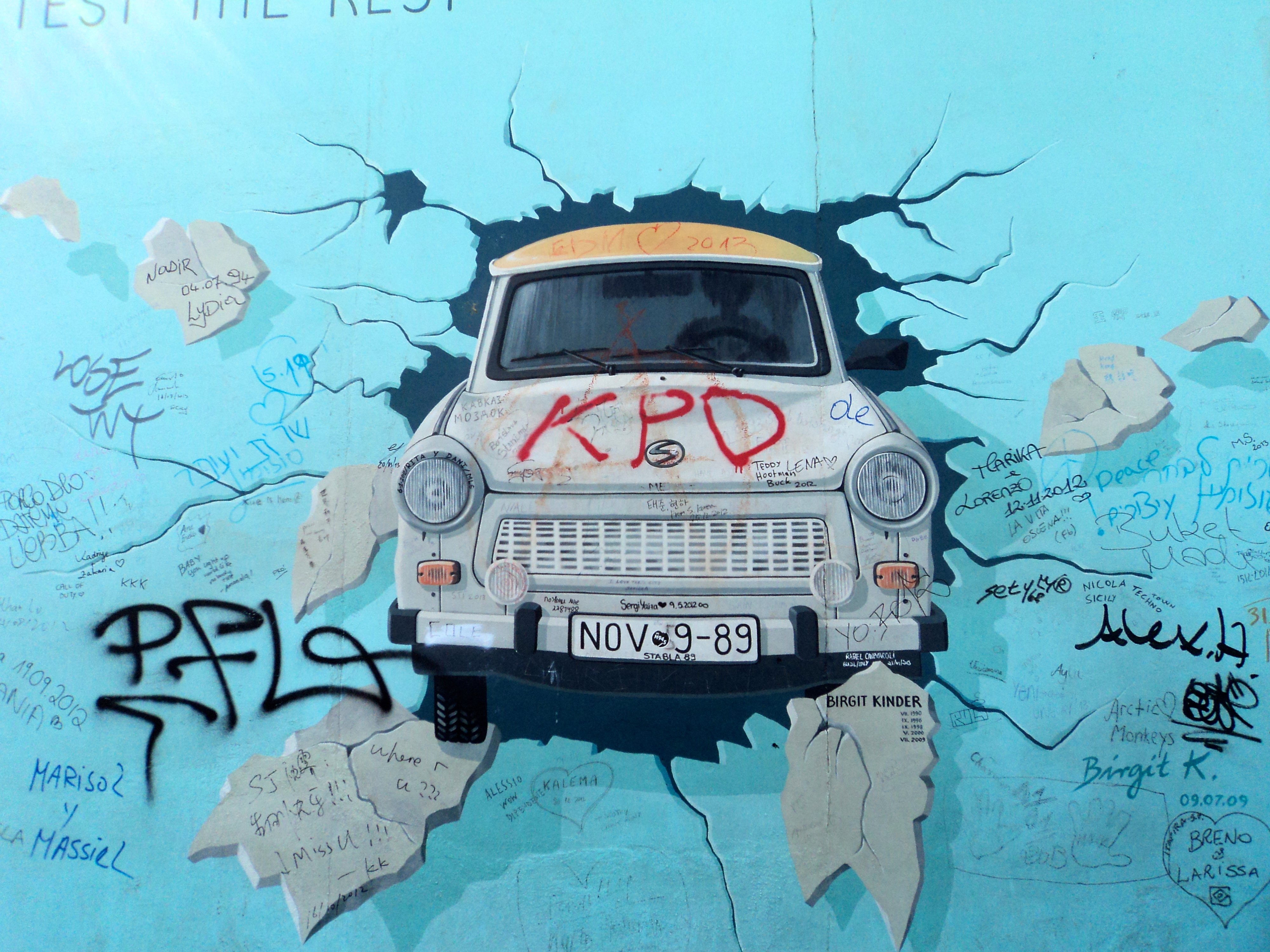
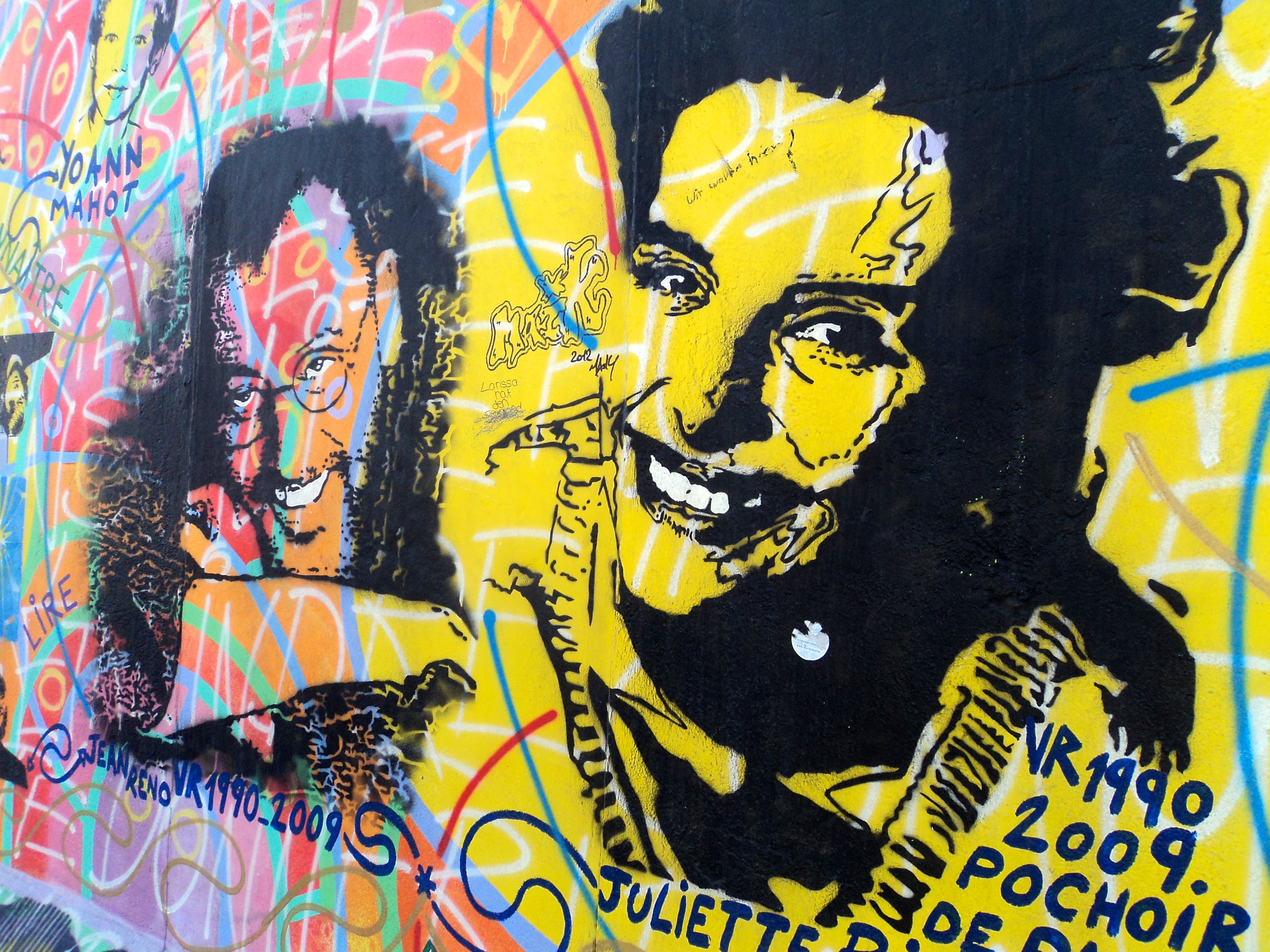
This lady on the wall caught my eye. Berlin is full of graffiti, and for those who can recognize it, its street art. The detail that they give to random murals on the street is quite breathtaking. It’s hard to take it all in. I’ve gotten used to skirting away places that may seem dark or dank, but Berlin did not have that feel. The street graffiti makes you want to stay and explore, as if asking you to discover their stories and secrets.

We headed up first. There are just details like these everywhere. Its beautiful, but rough around the edges, and certainly full of character. Its not a polished elegance, rather, its the old-world charm and grandeur, worn and torn a bit by time.

It was dark and gloomy, but the details are fantastic. An unexpected magical place. This transforms into a performance space on certain nights. For that morning though, we were the ones transported through age, time and imagination. If you want to see samples of performances, you can check the Clärchens Ballhaus website here. The next time I’m in Berlin, I really have to see this space in full-swing.
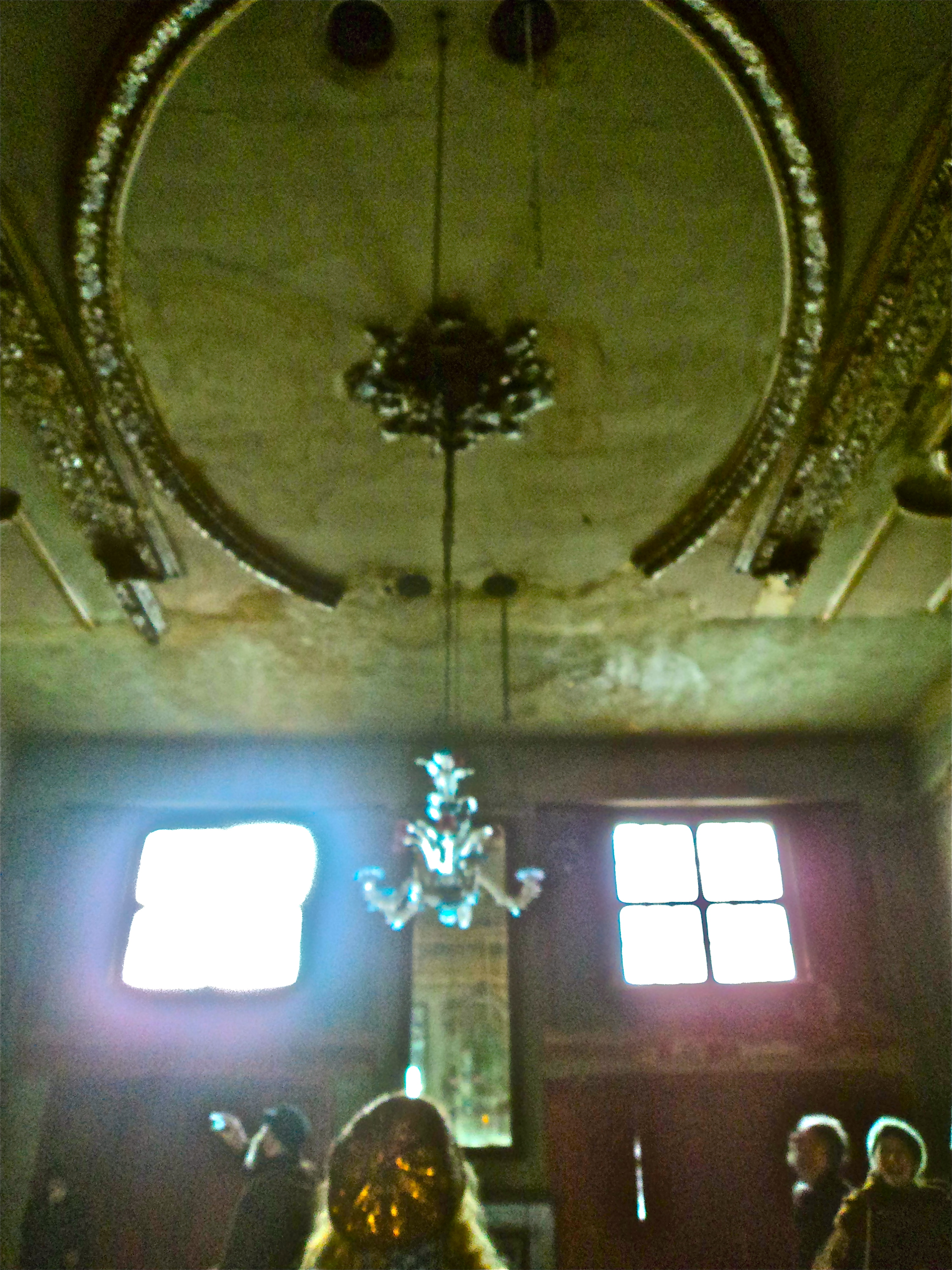
I just can’t help but marvel at the charm of the Clärchens Ballhaus. I can even imagine the underground parties they used to have, pre-1989. Repression never really stopped resistance, especially in the arts. They told us of stories of dances and music that they weren’t allowed to have, but they resisted with it anyway. For my part, I can just imagine.
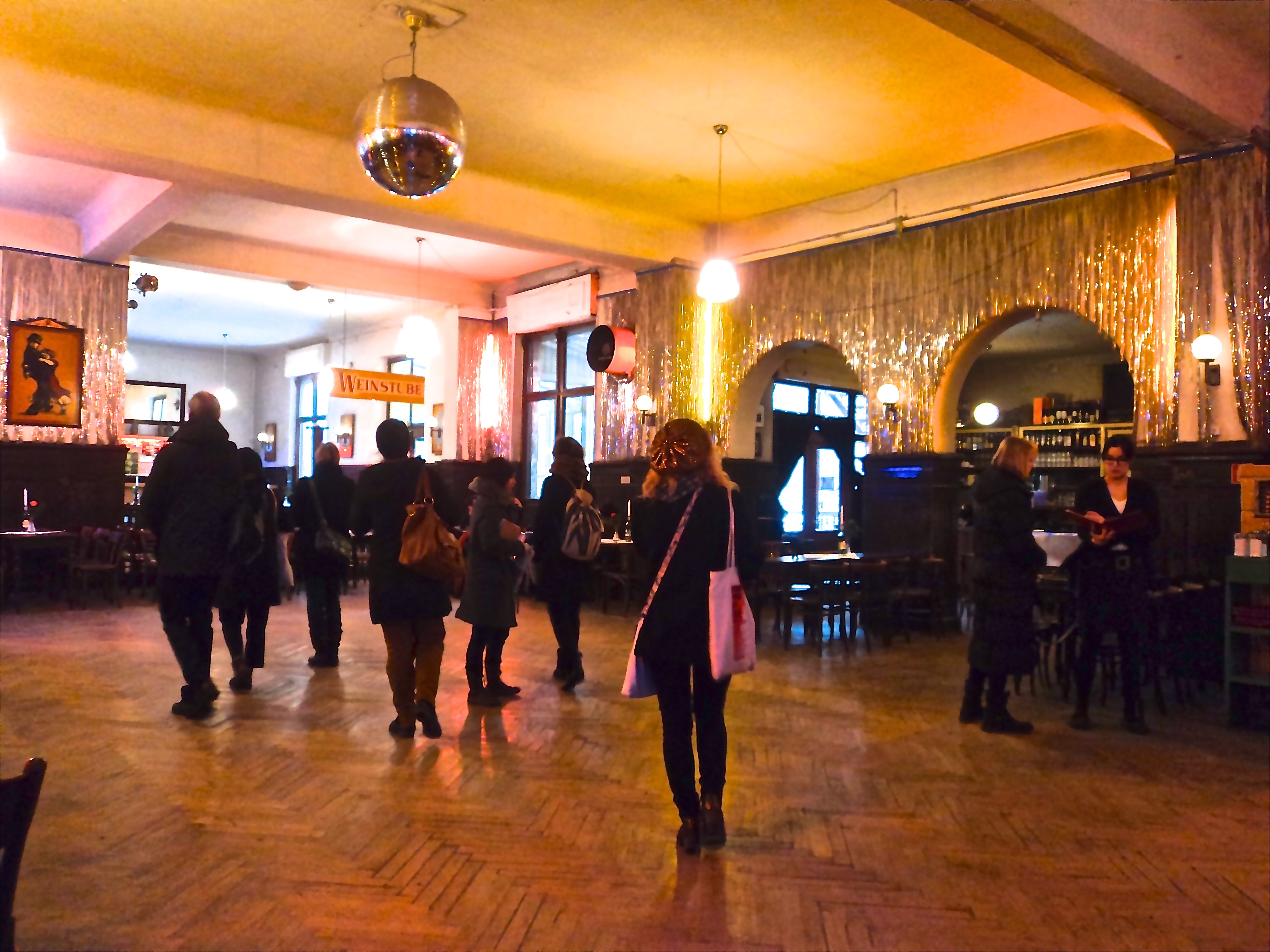
The ground level of the building is actually a ballroom/restaurant. This is where we talked and hung out. I’ve mentioned this before, Former West is really about the great conversations that the participants shared. I had a good talk with Nina Fischer about the Shanghai Biennale that she participated in and on my part the issues that we have in Philippine contemporary art. I also had a great talk with Diana here, and we hatched a plan for me to visit her in Barcelona. Through her, I met more participants from Barcelona and I would actually visit them in a few weeks after this. The Clärchens Ballhaus is a witness to numerous conversations such as what we had. On certain evenings though, this space is not just for dining, but also for dancing, musical, and theatrical performances.

If I will ever be given a chance for an extended stay in Berlin, I can imagine myself having meals here, perhaps with others with similar interest as me. It was one unforgettable lunch where a group of people from all over the world working with different aspects of art came together and had lunch of pizzas, salads, and coffee–away from the intensity and pressure of HKW and the Former West Congress. We shared ideas, perspectives, and stories. I have a feeling that these walls and that disco ball were witness to a lot of that.

On my way to the ladies’ room, this particular image caught my eyes. I just found it as a funny way of showing and expressing affection. It also sort of reminds me of sports guys who slap each other’s butts during a game. I find it amusing, as I also don’t really get it.

I can’t help but take one more shot before leaving. We headed to Alexanderplatz after this to go to Christopher Kulendran and Tom Trevatt’s exhibition, in relation to their talk on Art After Spectatorship? I leave in wonder and imagination–of dance, music, and performance–then and now. Of repression and resistance, of freedom. Also with the hope that maybe someday soon, I would dance as well.
**Clärchens Ballhaus is at Augustraße 24 in the Mitte area of Berlin. Find their website here. This area is also full of galleries and food places for exploration.
Related articles
- What I Liked About Berlin (cvbayron2.wordpress.com)
- Berlin (kiwistravelling.wordpress.com)
- Berlin and the Iron Curtain (snookj.wordpress.com)
- Berlin: Bier and Bratwurst (chicaconfundida.wordpress.com)


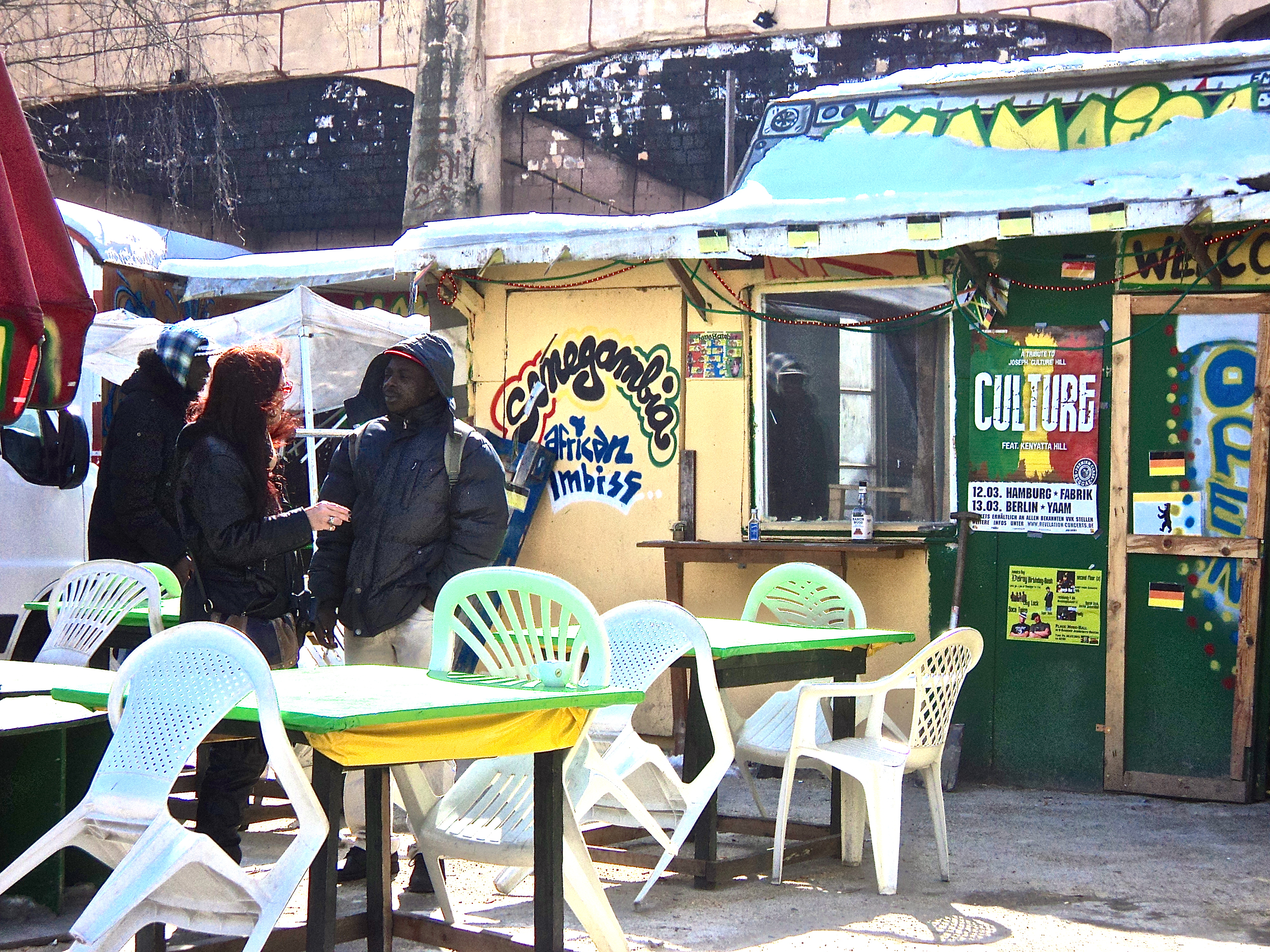







 And when things are really much too much, there is a Starbucks a block away. Soy caramel macchiato anyone?
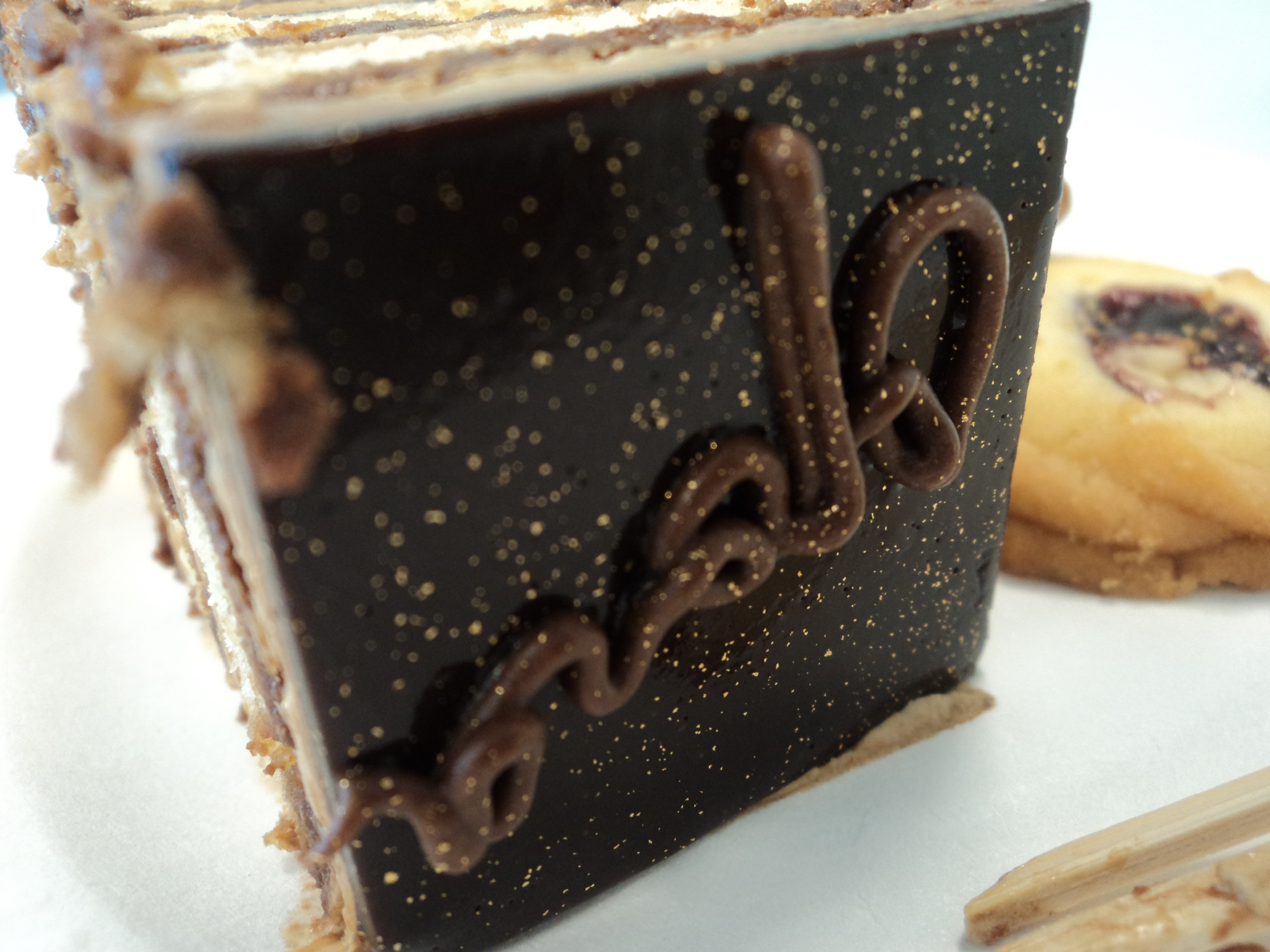
 And perhaps a pastry?
 Due to the lack of time or the constant rush for it, I never got to buy a bread from this bakery. And it just looks so yummy from the outside! Oh well… And more coffee and cakes stories to come. Seriously. This is just day three.
 It was an incredibly gloomy and rainy day. It sets the stage for the gray walls of the museum.
 You literally have to pass through a claustrophobic inducing structure, mimicking the experience of political prisoners of the Taiwanese dictatorship.
 The former barracks were recreated to serve as a briefing room. Here, the guide would retell the story of the Taiwanese period of dictatorship and the
  The bare grey walls speak for itself. I am not a Taiwanese, but the story of dictatorship is also my story as a Filipino.
 On top of the highest grey walls are dove sculptures. Until now, I think we are still fighting for our flight towards freedom.
 This entire complex was created for the sole purpose of holding political prisoners.
 Still, a mythical figure looks on. I truly wonder how they felt about this.
 Irony of all ironies, this prison also holds a
  The museum showed how communications were monitored at the time.
 Even phone conversations. Lifting those phones, you can hear the conversations that the political prisoners had. I don’t speak Chinese, but it gives a sense of loneliness, isolation, and fear. Maybe it is the context that I am viewing it from, as I have absolutely no idea of what is being said.
 An opening to the prison cell.
 No conversation is allowed in the small exercise yard below.
 The story is painful for the to tell, but they tell it anyway. It is the subject of endless debates. Is it right to represent something that cannot be fully conveyed? By doing this, do you prevent the people from moving forward?
 Is it a valid point, to keep on telling the story so they may heal? So that they always remember, and through collective remembrance, learn.
 They invited one of the former political prisoners to speak with us. He does not appear to be a sad man, even if he did went through so much pain. He believes in the museum and what it aims to do. The museum tells a story of terror. And through that terror, a story of freedom.
 It leads me to thinking about our own struggles as Filipino people. Why are we so intent to forget? We don’t try to remember. We forget and let go of our past hurts and terrors, but we don’t learn the lessons. In forgetting, one generation may heal from it, but the coming generation forgets.
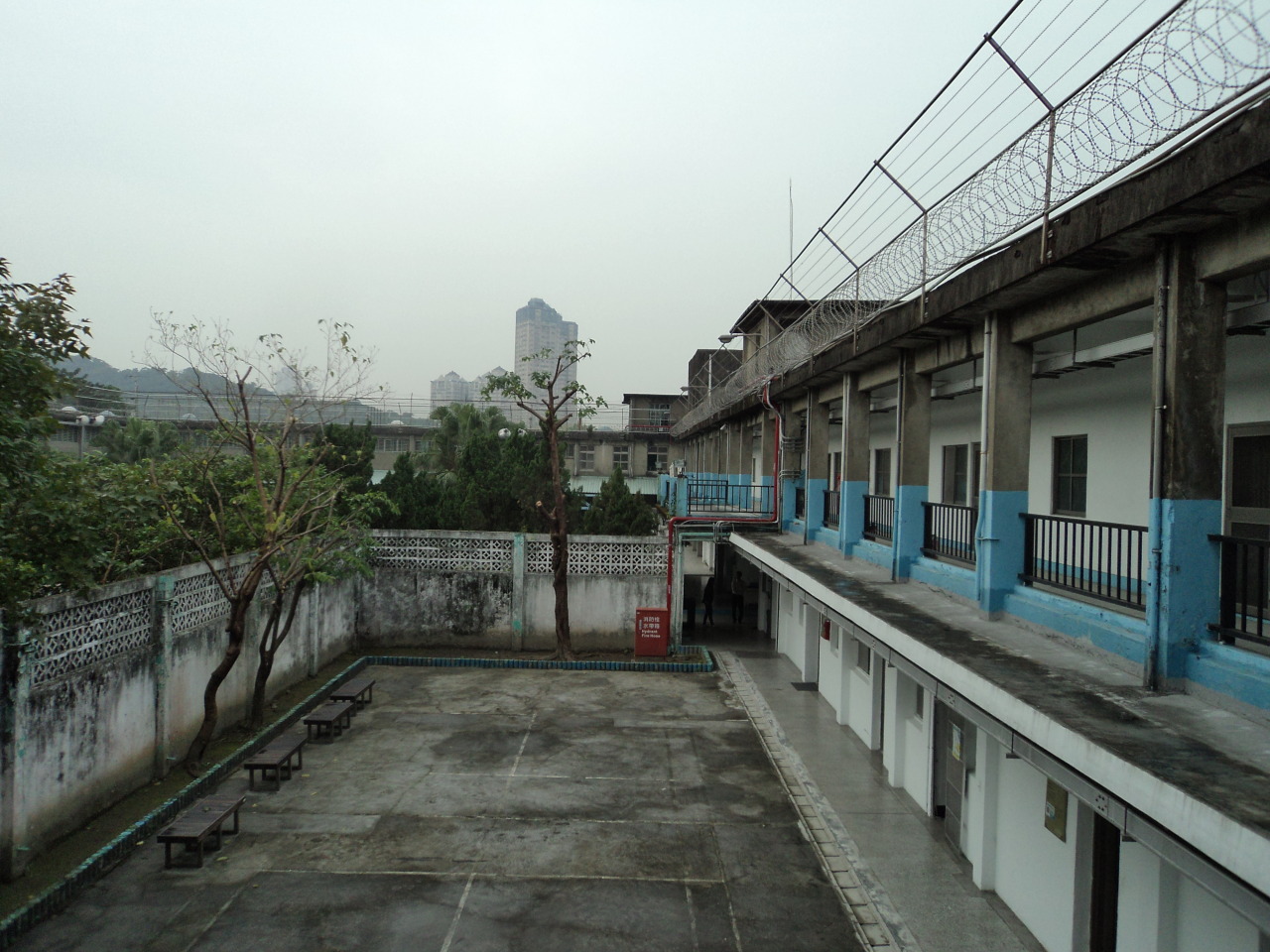 This place feels bleak. You will leave with a pain in your heart and a disturbed mind. But still, they teach a lesson. They don’t forget. They teach a lesson to always fight for the freedom that they earned. They grow from that belief. Taipei is rising around these walls, but these walls still stand.
 I wonder how I can carry this home. How can we remember the pain? So we may never allow such terrors again. I still have no answer.
 It was indeed a performance. Lights, sounds, everything. I even got shouted at for talking to my friend. Hey, they weren’t even starting yet, at the time. But then again, this is Taipei. It took a while for them to even let the audience near the band. Everyone was just sitting down.
 I even got to use Sigur Ros as a tool to teach John Dewey’s Art as Expression, particularly on the chapter Art as Expressive Object.
  Now that I am indeed remembering, we are not supposed to take photographs. But I took a few snapshots anyway. I’m not a big concert anyway, as concerts are usually out of my budget.
 I really can’t get over the discipline of this crowd. I mean, just look at them! Still, at least I got to experience a night in Taipei, with no fear of getting crushed. I went home with a cd too. Something to listen to as I expand my horizon.
 This tube of paint installation is something that can be found near the Shida night market. We ran into this on the very first day. I felt like a child again, admiring this piece.
 Outside the National Taiwan Normal University is a line-up of painted tiles. Looking closely, it is of street vendors selling street food! Very suited as it is in the Shida district.
 This could make you hungry of a quick fried snack, similar to what we have at home.
 I particularly like this one as it appears like he is selling bread. I have come to discover that Taipei has the best breads and pastries. There are shops everywhere with the yummiest window displays! Something that I totally did not expect when traveling to this country.
 I even liked this window display. I want to tell the bear, “Yes, I feel lost Sir. Can you help me?” It reminds me of this kid’s show that I adored, Bear in the Big Blue House. If I get to own a house, I would also want it to have a blue door.
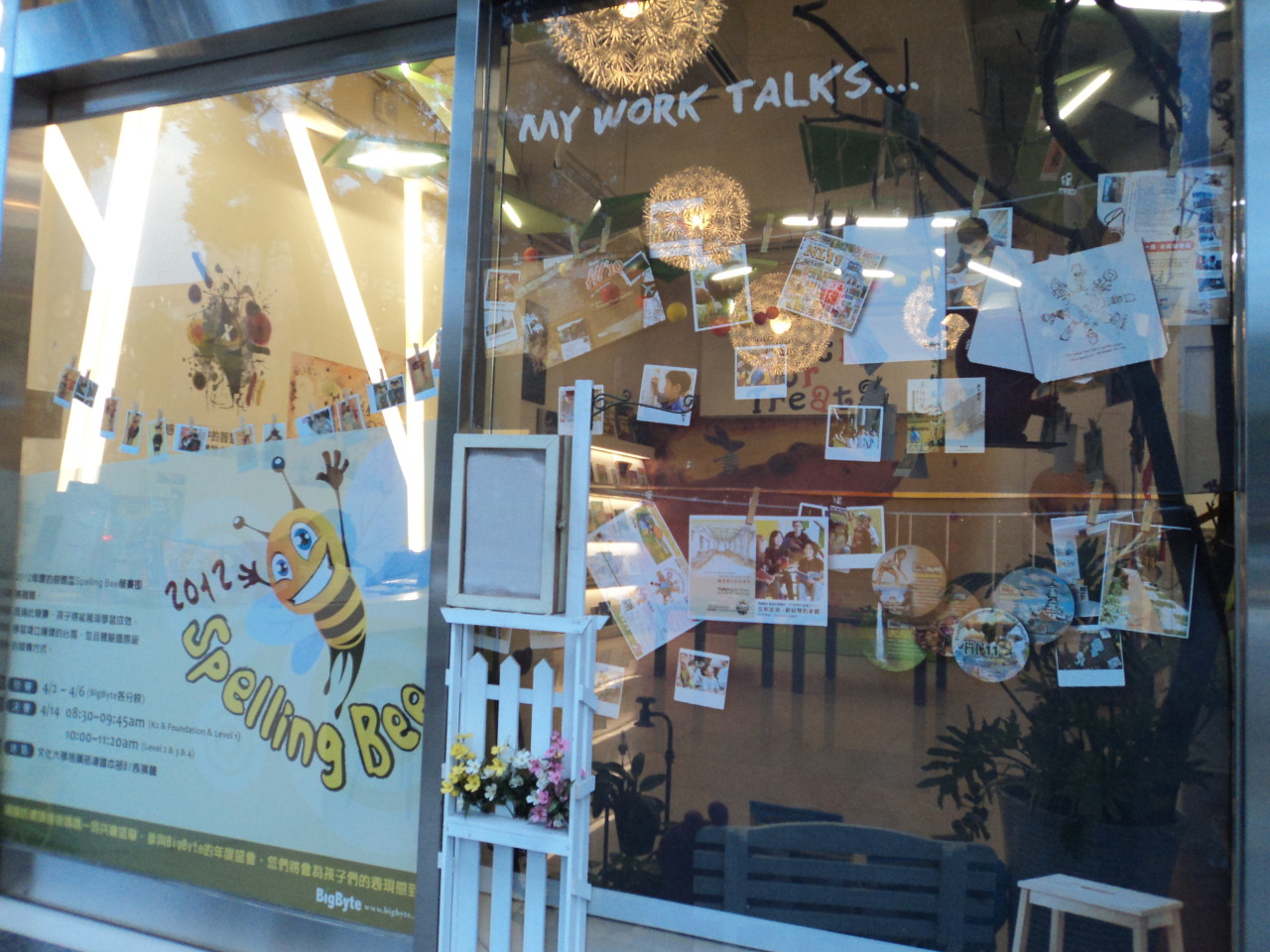 Yes, your work talks. Art talks. Everywhere. It is just a matter of engaging in the conversation, isn’t it? 🙂
 Portia Placino